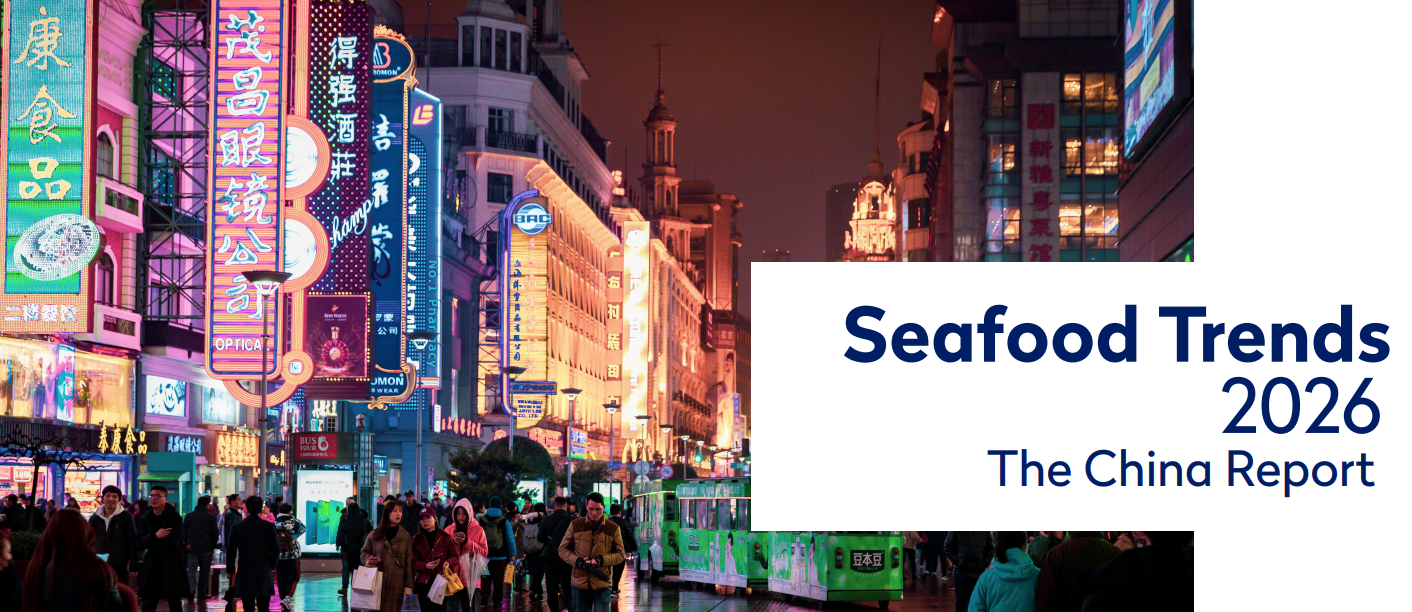
There is no denying the scale of China – as a country, as a market and as a concept. It is easy to go down the rabbit hole and get lost in the very idea of it. Bringing it all back to some of the big, global trends we see in seafood more broadly helps to add focus.
Bringing China’s mega cities down to sharing-plate size
SummaryIn this report we have talked about trends in the country’s largest cities, where consumers have higher disposable incomes and where we see a greater – and growing – preference for high-value seafood.
It is here, in the homes of the growing millions of middle class urban Chinese people, that single people and extended families are adding sashimi to their shared tables or turning to online influencers to explore recipes for Atlantic mackerel – a literally different kettle of fish to its Pacific cousin.
What we hope comes through from this report is that although it might be difficult to get your head around a country so different to what you’re used to, when it comes to Norwegian seafood, things are simpler than they seem.
Salmon is the import segment that is growing fastest – and when it comes to salmon, it’s all about sashimi. This is a preference that comes up time and again, whether served as that personal treat at home or shaped into a ‘lucky’ dish for a Chinese festival, Chinese consumers show how versatile simple, fresh, raw salmon can be.
These characteristics – simple and fresh – are also flagged through the report. And, although Chinese consumers might be price sensitive, this doesn’t mean they’re looking for cheap. What they want is the right price: it is freshness and health that are prioritised in seafood.
These are qualities that Chinese consumers already associate with Norwegian seafood, which comes packed with images of stringent quality control of super-fresh, sashimi-grade salmon and other fish that comes from the clean, clear waters of the north.