

“Norwegian seafood exports developed in different directions in October. While the export value of salmon reached an all-time high, both export volumes and values declined for wild-caught species such as cod, mackerel and haddock. Despite higher export prices for cod, mackerel, trout, saithe, herring and prawns, a stronger Norwegian krone contributed to the total export value remaining at the same level as last year,” says Christian Chramer, CEO of the Norwegian Seafood Council.
A stronger Norwegian krone affected export value
As in recent months, the stronger Norwegian krone also weighed on the value of Norwegian seafood exports in October.
“Measured against the US dollar and the euro, the Norwegian krone was significantly stronger in October than in the same month last year. This reduced the export value measured in Norwegian kroner,” says Chramer.
So far this year, Norway has exported seafood worth NOK 151.3 billion. This represents an increase of NOK 2.2 billion, or 1 per cent, compared with the same period last year.
In October, Norway's exports of farmed fish totalled NOK 13.8 billion. This accounted for 76 per cent of the total export value, up from 72 per cent in the same month last year. Increased salmon exports, combined with lower exports of cod and mackerel in particular, contributed to this development.
“Strong volume growth, combined with higher salmon prices in local currencies in the export markets, reflects the strong growth in demand for Norwegian salmon at the moment,” says Paul T. Aandahl, market analyst at the Norwegian Seafood Council.
Continued challenges for the seafood industry
Throughout 2026, low quotas for several wild-caught species have resulted in very low export volumes and record-high export prices for a number of products.
“High export prices do not tell the whole story. Lower quotas also mean less raw material available at higher prices for parts of the seafood industry. This creates challenges for companies seeking to maintain production and further value creation,” says Chramer.
Norway's 10 largest export markets
Here are the 10 largest export markets in October (changes from October last year in brackets):
- Poland: NOK 2.75 billion (+13%)
- USA: NOK 1.2 billion (-11%)
- China: NOK 1.16 billion (+12%)
- The Netherlands: NOK 1.15 billion (+5%)
- France: NOK 1.05 billion (0%)
- Denmark: NOK 952 million (-3%)
- United Kingdom: NOK 903 million (0%)
- Spain: NOK 890 million (+4%)
- Portugal: NOK 730 million (-15%)
- Italy: NOK 656 million (-4%)
The trend seen earlier this year continues, with growth in exports to Poland and China, while exports to the US continue to decline, driven by lower volumes of fresh and frozen salmon fillets.
Salmon: Record-high export value
- Norway exported 159,810 tonnes of salmon worth NOK 13 billion in October
- The value increased by NOK 734 million, or 6 per cent, compared with the same month last year
- Volume increased by 9 per cent
- Poland, the Netherlands and France were the largest markets for salmon in October
October saw the highest export value for salmon ever recorded in a single month, NOK 264 million above the previous record set in September 2026.
Poland recorded the strongest growth in value in October, with an increase in export value of NOK 246 million, or 12 per cent, compared with the same month last year. Export volume to Poland totalled 32,664 tonnes, which is 15 per cent higher than in the same month last year.
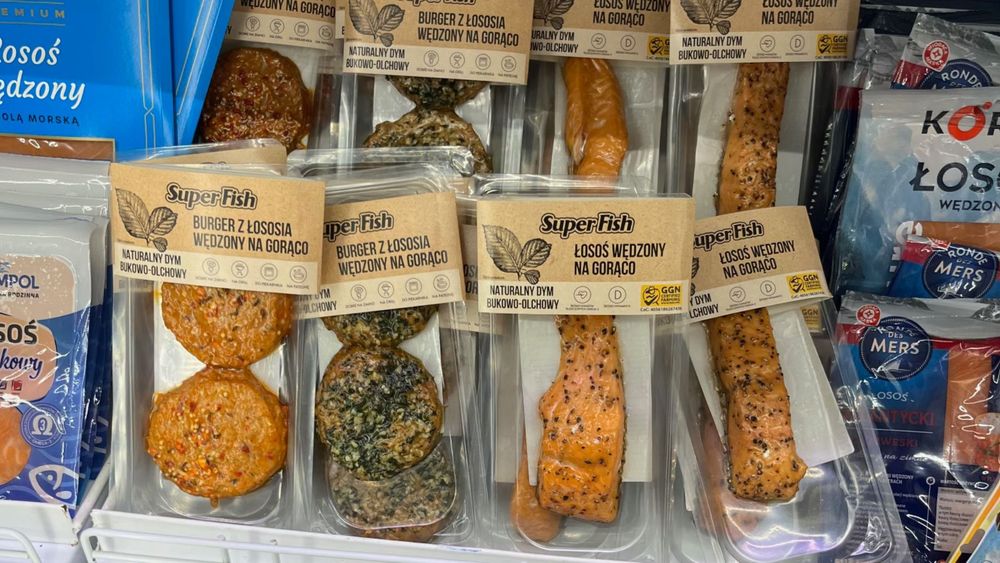
So far this year, export volume to Poland has increased by 27 per cent to 225,000 tonnes. Export value has risen by 5 per cent to NOK 5.2 billion.
“As Norwegian salmon exports to Poland increase, both domestic consumption and re-exports of salmon are growing. So far this year, household consumption has increased by as much as 19 per cent, while export volumes from Poland have risen by 10 per cent. Increased purchasing power has helped make Poland one of the fastest-growing consumer markets for salmon in recent years,” says Paul T. Aandahl, market analyst at the Norwegian Seafood Council.
Trout: Export volume fell by 15 per cent
- Norway exported 6,954 tonnes of trout worth NOK 629 million in October
- The value fell by NOK 64 million, or 9 per cent, compared with the same month last year
- Volume fell by 15 per cent
- Poland, the USA and Thailand were the largest markets for trout in October
Poland recorded the strongest growth in value in October, with an increase in export value of NOK 78 million, or 87 per cent, compared with the same month last year. Export volume to Poland totalled 1,935 tonnes, which is 74 per cent higher than in the same month last year.
Fresh cod: Farmed cod accounted for 65 per cent of export value
- Norway exported 2,498 tonnes of fresh cod worth NOK 214 million in October
- The value increased by NOK 12 million, or 6 per cent, compared with the same month last year
- Volume fell by 5 per cent
- The Netherlands, Denmark and Poland were the largest markets for fresh cod in October
Landings of fresh cod also declined in October, resulting in lower export volumes. For fresh wild cod, export volume fell by 14 per cent to 846 tonnes, while export value declined by 9 per cent to NOK 74 million.
For fresh farmed cod, export volume increased by 1 per cent to 1,653 tonnes, while export value rose by 16 per cent to NOK 139 million.
“Farmed cod accounted for 65 per cent of the export value of fresh cod in October. So far this year, farmed cod has accounted for 46 per cent of the export value of fresh cod, compared with 36 per cent in the same period last year,” says Eivind Hestvik Brækkan, market analyst at the Norwegian Seafood Council.
As usual, the main destination markets for fresh cod are transit and processing markets, led by the Netherlands, Denmark and Poland.
The United Kingdom, however, stands out with strong growth in imports of Norwegian farmed cod. It is the fifth-largest market for fresh farmed cod both in October and so far this year. Export volume of fresh farmed cod to the UK increased by 182 per cent to 123 tonnes in October. So far this year, volume has increased by 450 per cent to 711 tonnes, while only 23 tonnes of fresh wild cod have been exported to the UK.
Bjørn-Erik Stabell, the Norwegian Seafood Council's envoy to the United Kingdom, reports from the market:
“Cod as a category continues to show impressive resilience in the UK, despite reduced quotas and higher prices in recent years.
Increased availability from Norway in the years ahead, not least through farmed cod, also opens up new opportunities for growth. Improved distribution of Norwegian cod in UK retail will strengthen both consumer access and Norway's position in the market. We therefore see considerable potential for growth in the coming years,” says Bjørn-Erik Stabell, the Norwegian Seafood Council's envoy to the United Kingdom.
Frozen cod: Lowest export volume in 35 years
- Norway exported 2,745 tonnes of frozen cod worth NOK 267 million in October
- The value fell by NOK 16 million, or 6 per cent, compared with the same month last year
- Volume fell by 8 per cent
- China, Vietnam and Poland were the largest markets for frozen cod in October
With lower landings of frozen cod, export volumes continue to decline.
“So far this year, export volume of frozen cod has fallen by 26 per cent to 23,100 tonnes. This is the lowest export volume recorded in the first ten months of a year since 1991, which was the last time cod quotas were lower than they are this year,” says Eivind Hestvik Brækkan, market analyst at the Norwegian Seafood Council.
China recorded the strongest growth in value in October, with an increase in export value of NOK 58 million, or 182 per cent, compared with the same month last year. Export volume to China totalled 1,026 tonnes, which is 186 per cent higher than in the same month last year.
The United Kingdom remains Norway's largest market for frozen cod measured by value so far this year. However, export volume to the UK has fallen by as much as 48 per cent this year, and the decline continued in October. With an 81 per cent reduction in export volume, only 142 tonnes of frozen cod were exported to the UK in October.
Clipfish: Lowest export volume since 1995
- Norway exported 6,921 tonnes of clipfish worth NOK 916 million in October
- The value fell by NOK 30 million, or 3 per cent, compared with the same month last year
- Volume fell by 18 per cent
- Portugal, Brazil and the Republic of the Congo (Congo-Brazzaville) were the largest markets for clipfish in October
Low cod quotas and reduced landings of saithe continue to affect clipfish exports, resulting in the lowest export volume for an October since 1995.
For saithe clipfish, export volume fell by 11 per cent to 3,249 tonnes, while export value increased by 5 per cent to NOK 250 million. For cod clipfish, export volume fell by 27 per cent to 2,784 tonnes, while export value declined by 9 per cent to NOK 575 million.
Strongest growth in value to Brazil
Brazil recorded the strongest growth in value in October, with an increase in export value of NOK 39 million, or 49 per cent, compared with the same month last year.
Exports of cod and ling clipfish increased sharply in October, by 197 and 147 per cent respectively, to 220 and 191 tonnes. At the same time, exports of saithe and tusk clipfish to Brazil declined. Total export volume to Brazil reached 972 tonnes in October, which is 5 per cent lower than in the same month last year.
Uncertainty ahead of the Christmas season in Portugal
Portugal, Norway's largest market for cod clipfish, saw a 29 per cent decline in export volume to 2,296 tonnes in October. So far this year, exports to Portugal have fallen by 19 per cent.
Consumption in Portugal has also declined as a result of lower cod quotas and rising prices. So far this year, retail sales of traditional dried cod have fallen by 15 per cent in Portugal, while prices have increased by 26 per cent.
Gudfinna Traustadottir, the Norwegian Seafood Council's envoy to Portugal, reports from the market:
“The Portuguese market is under pressure from reduced availability of cod and significantly higher prices. This is reflected both in exports from Norway and in retail sales in Portugal. At the same time, we are now entering the most important season of the year for bacalhau.
Christmas holds a very special place in this category, with bacalhau forming a central part of Portuguese Christmas traditions. Developments in November and December will therefore be particularly important in determining how the year ends overall,” says Gudfinna Traustadottir, the Norwegian Seafood Council's envoy to Portugal.
Salted fish: 95 per cent of salted cod exports went to Portugal
- Norway exported 1,297 tonnes of salted fish worth NOK 176 million in October
- The value fell by NOK 80 million, or 31 per cent, compared with the same month last year
- Volume fell by 39 per cent
- Portugal, Italy and France were the largest markets for salted fish in October
Salted cod accounted for 77 per cent of the export value of salted fish in October. As usual, Portugal was by far the largest market for salted cod, accounting for as much as 95 per cent of export volume.
Export volume to Portugal also declined sharply. Exports of salted cod to Portugal fell by 38 per cent in October to 950 tonnes.
Stockfish: Export value fell by 39 per cent
- Norway exported 267 tonnes of stockfish worth NOK 128 million in October
- The value fell by NOK 14 million, or 10 per cent, compared with the same month last year
- Volume fell by 32 per cent
- Italy, Croatia and the USA were the largest markets for stockfish in October
Exports of cod stockfish to Italy, Norway's largest stockfish market, fell by 39 per cent in October to 151 tonnes. Export value to Italy declined by 20 per cent to NOK 84 million.
Croatia recorded the strongest growth in value in October, with an increase in export value of NOK 6 million, or 42 per cent, compared with the same month last year. Export volume to Croatia totalled 36 tonnes, which is 1 per cent lower than in the same month last year.
The export price for cod stockfish reached an all-time high in October, increasing by 34 per cent compared with the same month last year to NOK 532 per kg.
The price increase is a consequence of higher raw material costs, following record-high landing prices for fresh cod during this year's skrei season and the lowest cod quotas since 1991.
Herring: Record-high prices for frozen fillets and whole frozen herring
- Norway exported 16,197 tonnes of herring worth NOK 445 million in October
- The value increased by NOK 64 million, or 17 per cent, compared with the same month last year
- Volume fell by 4 per cent
- Poland, Germany and Ukraine were the largest markets for herring in October
Prices for frozen herring fillets and whole frozen herring reached new record highs in October, at NOK 27 and NOK 22 per kg respectively. Both prices were NOK 1 above the previous records set in August and September this year.
Poland was the largest market for herring in October. Norway exported 4,494 tonnes of herring worth NOK 122 million to Poland. The value fell by NOK 21 million, or 15 per cent, compared with the same month last year.
Germany recorded the strongest growth in value in October, with an increase in export value of NOK 33 million, or 107 per cent, compared with the same month last year. Export volume to Germany totalled 2,268 tonnes, which is 69 per cent higher than in the same month last year.
Frozen fillets of Norwegian spring-spawning herring (NVG) were the largest product category in October. Norway exported 5,373 tonnes of skinless frozen fillets of Norwegian spring-spawning herring worth NOK 146 million. This represents an increase of 37 per cent in value and 29 per cent in volume.
Exports of whole frozen Norwegian spring-spawning herring increased by NOK 24 million, or 72 per cent, to NOK 58 million, while the price was 50 per cent higher than in October last year.
Growth in herring exports so far this year
So far this year, Norway has exported 183,426 tonnes of herring worth NOK 3.7 billion. The value has increased by NOK 541 million, or 17 per cent, compared with the same period last year. Volume has increased by 19 per cent.
Poland, Lithuania and Denmark are the largest markets so far this year. Herring exports to Poland have totalled NOK 877 million, an increase of NOK 160 million, or 22 per cent.
Export value to Denmark increased by NOK 134 million, or 58 per cent, while exports to Lithuania rose by NOK 121 million, or 47 per cent. Germany has recorded the largest decline so far this year, with a fall of NOK 127 million, or 37 per cent.
Mackerel: Export volume halved as prices reached record highs
- Norway exported 13,787 tonnes of mackerel worth NOK 758 million in October
- The value fell by NOK 631 million, or 45 per cent, compared with the same month last year
- Volume fell by 50 per cent
- South Korea, Japan and Vietnam were the largest markets for mackerel in October
“The decline in mackerel exports is due to lower quotas and reduced availability of mackerel for export. This is being felt across all the major markets in Asia. At the same time, prices remain high. The average export price for mackerel was 10 per cent higher than in October last year,” says Paul T. Aandahl, market analyst at the Norwegian Seafood Council.
The price of whole frozen mackerel reached a record high of NOK 54 per kg. This is NOK 2 higher than the previous record set in September 2026.
Decline in mackerel exports so far this year
So far this year, Norway has exported 81,368 tonnes of mackerel worth NOK 4.3 billion. The value has fallen by NOK 2.6 billion, or 38 per cent, compared with the same period last year. Volume has fallen by 54 per cent.
South Korea, Japan and Vietnam are the largest markets so far this year. Mackerel exports to South Korea have totalled NOK 783 million, a decline of NOK 170 million, or 18 per cent.
Vietnam has recorded the largest decline so far this year, with a fall of NOK 569 million, or 59 per cent. Exports to China have declined by NOK 419 million, or 72 per cent.
Romania, the USA and Israel have recorded the strongest growth so far this year. Exports to the USA have increased by NOK 32 million, or 10 per cent, to NOK 364 million.
King crab: Export volume increased by 24 per cent
- Norway exported 134 tonnes of king crab worth NOK 72 million in October
- The value fell by NOK 4 million, or 6 per cent, compared with the same month last year
- Volume increased by 24 per cent
- The USA, Germany and Italy were the largest markets for king crab in October
The increase in export volume in October was primarily driven by a higher share of frozen king crab. Norway exported 98 tonnes of frozen king crab in October, 29 per cent more than in the same period last year.
At the same time, export value fell by 1 per cent to NOK 57 million due to lower export prices for frozen king crab. The USA was the largest market, accounting for 76 per cent of the frozen volume.
“With the red king crab fishery in Alaska well underway, supplies of frozen king crab to the US market are increasing. At the same time, Norwegian king crab is facing a stronger krone and a tariff rate of 12.5 per cent. In October, the export price for Norwegian frozen king crab to the US was 16 per cent lower than in the same month last year,” says market analyst Lars Olai Rorgemoen.
Exports of live king crab totalled 33 tonnes in October, one tonne more than in the same month last year. However, with an average price of NOK 430 per kg, export value fell by 21 per cent to NOK 14 million.
In addition to exports to the USA, smaller volumes of frozen and live king crab were also exported to European markets ahead of the Christmas season.
Snow crab: Fishery closed, but export value to the US increased
- Norway exported 78 tonnes of snow crab worth NOK 13 million in October
- The value increased by NOK 1 million, or 12 per cent, compared with the same month last year
- Volume increased by 28 per cent
- The USA, Canada and Vietnam were the largest markets for snow crab in October
The USA was Norway's largest market for snow crab both in October and so far this year. Of the total export volume in October, 63 per cent went to the USA, equivalent to 49 tonnes.
The average price of frozen snow crab fell by 13 per cent in October to NOK 170 per kg.
Norway's snow crab fishery remains closed until 1 December, limiting the volumes available for export.
Prawns: Export value increased in October
- Norway exported 2,345 tonnes of prawns worth NOK 166 million in October
- The value increased by NOK 8 million, or 5 per cent, compared with the same month last year
- Volume fell by 11 per cent
- China, Iceland and Denmark were the largest markets for prawns in October, measured by volume
“Prawn exports in October were characterised by lower volumes and higher prices. The fishing season in the Barents Sea is coming to an end, and lower landings this year mean fewer prawns are available for export. At the same time, strong price growth has contributed to an increase in export value despite the lower volumes,” says Lars Olai Rorgemoen, market analyst at the Norwegian Seafood Council.
Exports of frozen raw prawns increased by 31 per cent to 1,417 tonnes, accounting for 60 per cent of total prawn exports in October.
Approximately half of this volume went to the processing industry in Iceland, while China received 472 tonnes of raw prawns for consumption. Prices to Iceland rose significantly to around NOK 37 per kg, while prices for raw prawns for consumption in China fell by 7 per cent to NOK 72 per kg.
“Frozen peeled prawns recorded the largest percentage decline in export volume in October. Total export volume fell by 55 per cent to 382 tonnes, with Sweden being the largest market at 128 tonnes. At the same time, the average export price reached NOK 140 per kg in October, setting a new monthly price record for frozen peeled prawns,” says Rorgemoen.
Exports of frozen cooked shell-on prawns fell by 18 per cent in October compared with the same month last year, to 493 tonnes. At the same time, export value increased by 2 per cent, supported by an average price of almost NOK 73 per kg, an increase of 39 per cent from the same month last year.
China was the largest market, accounting for 85 per cent of the volume.


